
Exploring the cultural significance of gambling across different societies
The Historical Roots of Gambling
Gambling has deep historical roots, tracing back thousands of years to ancient civilizations. Archaeological evidence suggests that the practice was prevalent in Mesopotamia and ancient China, where dice made from bones were found in burial sites. These early forms of gambling were often tied to religious and social rituals, highlighting its significance in the cultural fabric of societies. For many communities, gambling served not just as entertainment but as a way to foster social bonds and express cultural identity. Additionally, players can explore options at the Casoola casino in Ireland for a contemporary online experience.
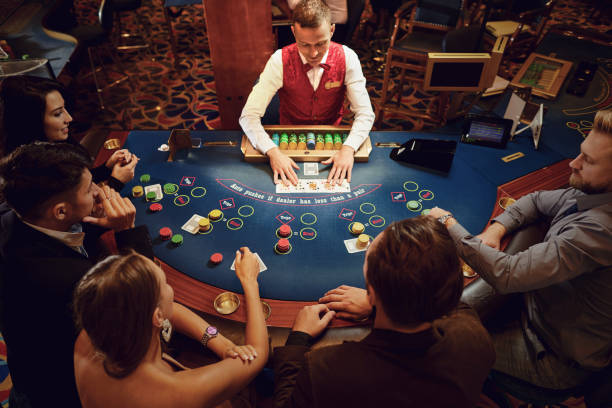
As societies evolved, so did the forms of gambling. From ancient lotteries in Rome to the structured games of chance in medieval Europe, gambling adapted to cultural shifts and technological advancements. This evolution reflects the human need for risk, chance, and the thrill of uncertainty, all of which are integral to the gambling experience across different cultures.
Gambling in Modern Cultures
Today, gambling manifests in various forms worldwide, from formal casinos to informal betting among friends. In many Western societies, brick-and-mortar casinos have become hubs of entertainment, blending luxury with the excitement of chance. In contrast, online gambling has surged in popularity, offering convenience and a wide range of gaming options. This shift illustrates how cultural attitudes towards gambling are changing, as technology makes it more accessible to a global audience.
However, the cultural significance of gambling is not uniform. In some cultures, such as those in Asia, gambling is often intertwined with festivals and celebrations, reflecting a collective experience. Conversely, in other societies, gambling can be viewed with skepticism or as a vice. This dichotomy showcases the diverse perceptions of gambling and its implications for social values and norms.
The Role of Gambling in Social Interactions
Gambling often serves as a social activity, bringing people together in various contexts, from casual home games to extravagant casino events. This aspect of gambling reinforces community ties and fosters friendships. In many cultures, gambling is a rite of passage, marking significant life events such as weddings or births, where betting on outcomes becomes part of the communal experience.
Moreover, the psychology of gambling plays a crucial role in its cultural significance. The thrill of winning, the shared anticipation during gameplay, and even the camaraderie in loss contribute to a sense of belonging. These social dynamics make gambling a multifaceted activity that extends beyond mere financial stakes, embedding itself into the cultural ethos of societies.
Gambling and Economic Impact
The economic implications of gambling are profound, influencing national and local economies significantly. In many regions, casinos generate substantial revenue through taxes and employment, contributing to infrastructure and social services. This economic benefit can create a positive perception of gambling, promoting it as a legitimate source of income and entertainment.
However, the economic impact is not without its challenges. Some societies struggle with the social costs associated with gambling addiction and related issues. This complexity raises questions about the balance between economic benefits and social responsibility, influencing how different cultures approach gambling legislation and regulation.

Online Gambling: A Cultural Shift
The emergence of online gambling has marked a significant cultural shift in how societies engage with gambling. Platforms like Casoola provide an accessible way for individuals to enjoy a wide array of games from the comfort of their homes. This convenience has transformed the gambling landscape, allowing users to participate in gaming experiences tailored to their preferences.
Online gambling also reflects broader cultural trends towards digital interaction and entertainment. With a focus on user experience and customer support, modern online casinos prioritize accessibility and inclusivity. This evolution showcases not only the changing nature of gambling but also how technology can enhance cultural practices, making them relevant in today’s fast-paced world.