
Understanding the psychological triggers behind gambling behavior
The Allure of Risk and Reward
At the heart of gambling behavior lies the psychological allure of risk and reward. Many individuals are drawn to the thrill of uncertainty, where the potential for winning is accompanied by the excitement of risk. This combination activates the brain’s reward pathways, releasing dopamine and creating a sense of pleasure. The anticipation of a possible win can lead gamblers to engage in repeated gambling behaviors, as each new bet can spark hopes for a significant payoff, reinforcing the cycle. This phenomenon is not unlike the excitement surrounding popular online casinos, where the stakes and rewards often amplify this psychological trigger.
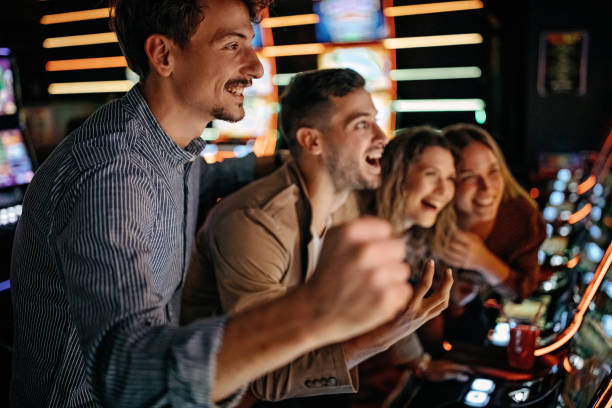
Moreover, risk-taking can also be a form of escapism. People often seek out gambling as a way to cope with stress, boredom, or dissatisfaction in their lives. By placing bets, they momentarily shift their focus from their problems to the possibility of financial gain. This escape can become addictive, as individuals start to rely on gambling as a primary source of excitement and entertainment, further deepening their engagement with gambling behavior.
The impact of social factors cannot be overlooked, either. Environments that celebrate risk-taking behavior, such as casinos and sports betting venues, amplify the attractiveness of gambling. These social settings create a sense of community among gamblers, fostering an atmosphere where risk-taking is not just accepted but encouraged. The combination of individual psychological triggers and the influence of social contexts can make it challenging for individuals to recognize when their gambling behavior is becoming problematic.
The Role of Cognitive Biases
Cognitive biases significantly shape how individuals perceive gambling outcomes. For instance, the illusion of control is a common cognitive distortion where gamblers believe they can influence the outcome of games, particularly in skill-based betting scenarios. This misconception often leads players to engage in gambling activities more frequently, as they feel empowered by the false sense of control over their fate. Recognizing this bias is crucial for understanding why many gamblers continue to play despite consistent losses.
Another cognitive bias is the gambler’s fallacy, which involves the belief that past events can influence future probabilities in random games of chance. For example, a gambler may believe that if a slot machine hasn’t paid out in a while, it is “due” for a win. Such faulty reasoning can lead to extended gambling sessions and increased financial risk, as individuals chase losses under the assumption that luck will eventually turn in their favor.
Furthermore, confirmation bias plays a role, as gamblers may selectively focus on their wins while dismissing losses. This selective memory can create a skewed perception of success, reinforcing the belief that they can consistently win. The interplay between these cognitive biases highlights the complexity of gambling behavior and its roots in psychological processes that can mislead individuals into unhealthy gambling patterns.
The Impact of Emotions on Gambling
Emotions play a pivotal role in gambling behavior, influencing decisions and reinforcing patterns of play. Positive emotions, such as excitement and euphoria during winning streaks, can lead to increased gambling as individuals seek to replicate those feelings. Conversely, negative emotions like anxiety and depression can also trigger gambling as a means to escape or alleviate emotional distress. This cyclical relationship between emotion and gambling behavior often traps individuals, making it difficult for them to break free.
The concept of emotional arousal is crucial in understanding gambling. High-stakes environments, such as casinos, are designed to heighten excitement through visual and auditory stimuli, further enhancing emotional responses. This overstimulation can cloud judgment and make rational decision-making more challenging, leading players to bet more aggressively. Emotional highs from winning can reinforce continued engagement, while lows from losses may prompt individuals to chase their losses in an attempt to recover their previous emotional state.
Additionally, the social dynamics of gambling can amplify emotional responses. The presence of peers can encourage a competitive spirit, increasing the urge to place larger bets or engage in riskier behavior. The communal atmosphere can create a sense of belonging, but it also reinforces unhealthy gambling habits as individuals seek validation from others. This interplay of emotions and social influences complicates the relationship between individuals and gambling, often leading to negative consequences.
The Influence of Behavioral Conditioning
Behavioral conditioning is a critical factor in the development and persistence of gambling behavior. The concept of operant conditioning suggests that behaviors followed by positive outcomes are likely to be repeated. In the case of gambling, the occasional win serves as a powerful reinforcer, encouraging players to continue wagering. This intermittent reinforcement creates a strong behavioral pattern where the anticipation of a win outweighs the reality of losses, keeping individuals engaged in gambling activities.
The near-miss phenomenon is another aspect of behavioral conditioning that is particularly relevant. Gamblers often experience situations where they come close to winning, such as two out of three symbols aligning on a slot machine. These near-wins activate similar reward pathways in the brain as actual wins, leading to increased motivation to gamble. This conditioning effect can create a cycle where individuals feel compelled to keep playing, convinced that their next attempt will result in success.
Moreover, advertising and marketing in the gambling industry often leverage these conditioning principles. Promotions and bonuses are designed to entice new players while reinforcing existing behaviors in regular gamblers. The constant reminders of potential rewards can strengthen the conditioning processes that encourage continued engagement with gambling. Understanding these mechanisms can help individuals recognize the influences at play in their gambling habits and make informed decisions about their behavior.
Understanding Your Gambling Behavior
Recognizing and understanding personal gambling behavior is the first step toward developing healthier habits. Self-reflection is essential in assessing one’s motivations for gambling, whether they stem from the thrill of risk, emotional escape, or social influences. Being aware of cognitive biases, such as the illusion of control or confirmation bias, can help individuals make more informed choices and resist the urge to gamble impulsively.
It is crucial to establish boundaries around gambling practices. Setting limits on time and money spent on gambling can help prevent behavior from spiraling into addiction. Moreover, seeking support from friends or professional resources can provide guidance and accountability, creating a healthier relationship with gambling. Online communities and forums dedicated to responsible gambling can also serve as valuable resources for those looking to change their behavior.
Ultimately, understanding the psychological triggers behind gambling behavior can empower individuals to take control of their gambling habits. By addressing the emotional, cognitive, and environmental factors at play, individuals can reduce their risk of developing problematic gambling behaviors. Engaging with secure and responsible platforms that prioritize user safety and privacy can also support individuals in making healthier choices while navigating the world of gambling.